The sharing among seniors is based on a precise mechanism: peer support, meaning the assistance of one retiree by another retiree trained in listening and daily tasks. Since 2024, several pension funds and mutuals have been experimenting with clubs structured around this principle, with results deemed sufficiently positive to consider a national extension in 2025, according to a report from the Defender of Rights and the CNAV published in October 2024.
This dynamic is not limited to filling a lack of caregiving staff. It is based on the idea that seniors share common codes, rhythms, and concerns, which facilitates trust from the very first exchange.
Peer support among retirees: a framework that structures senior solidarity
Peer support does not operate solely on goodwill. The experimental clubs established since 2024 rely on prior training for the accompanying seniors: active listening techniques, identifying fragile situations, and directing to competent professionals. The trained retiree is neither a family caregiver nor a traditional volunteer, but a local relay among peers.
The documented initiatives on partage-senior.net illustrate this approach, where retirees organize the modalities of mutual aid according to the needs identified in their neighborhood.
What distinguishes these systems from traditional associative networks is reciprocity. The accompanying senior derives a direct benefit: maintaining cognitive abilities, feeling of social usefulness, structuring of the week. Usage studies conducted on platforms connecting seniors show a significant decrease in feelings of loneliness among regular participants.
Solidarity neighborhood among seniors: funding and concrete operation
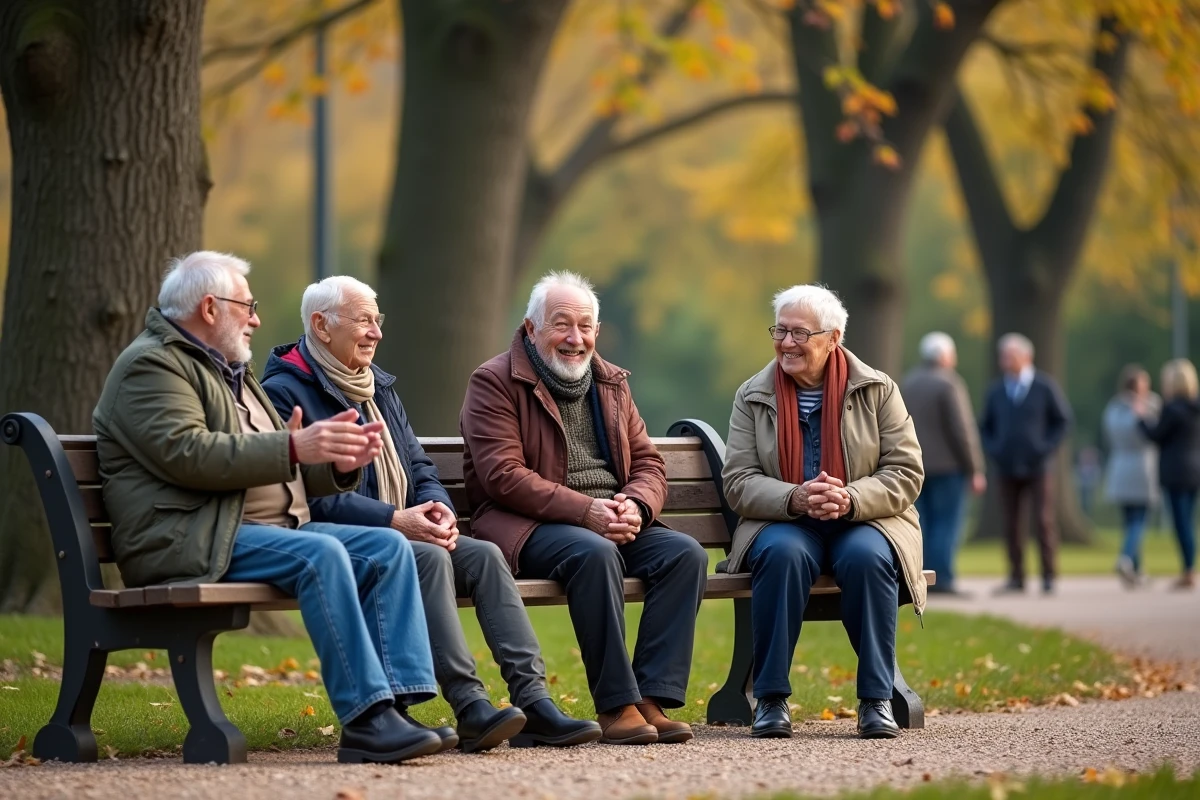
The 2024 Social Security funding law has strengthened the financing of social support services and the prevention of loss of autonomy. Several departments are now funding projects for solidarity neighborhoods among seniors: neighborhood support groups managed by retirees, with small non-professional home assistance.
The term “non-professional” deserves clarification. It does not aim to replace a caregiver or a home helper. Solidarity neighborhoods cover specific actions:
- Accompaniment for shopping or medical appointments when public transport is inaccessible or unsuitable
- Occasional help with online administrative procedures, especially for seniors unfamiliar with digital tools
- Organization of shared meals at home or in a neighborhood venue, to break both social and food isolation
Funding from the Autonomy branch allows these groups to have a venue, insurance, and sometimes a part-time coordinator. The difference with traditional associative volunteering lies in the territorial anchoring: participants live within the same area, often in the same building or street.
What solidarity neighborhoods cannot cover
These systems do not replace a personalized aid plan for a person experiencing loss of autonomy. When a senior shows signs of dependence (repeated falls, malnutrition, confusion), the neighborhood group’s role is to signal the situation, not to manage it. The training provided to participants includes this limitation.
Digital leisure platforms among seniors: how do the pairs work
Platforms connecting seniors have developed significantly since 2023. Their principle is based on forming leisure pairs: walking, cultural outings, DIY, gardening. Two seniors sharing a common interest are put in contact, with some platforms providing remote psychological support during the initial exchanges.
This psychological safety net addresses a real barrier. Many isolated seniors hesitate to contact a stranger, even of the same age. The presence of a trained third party during the first call or meeting reduces this apprehension.
Shared activities and regularity of social connection
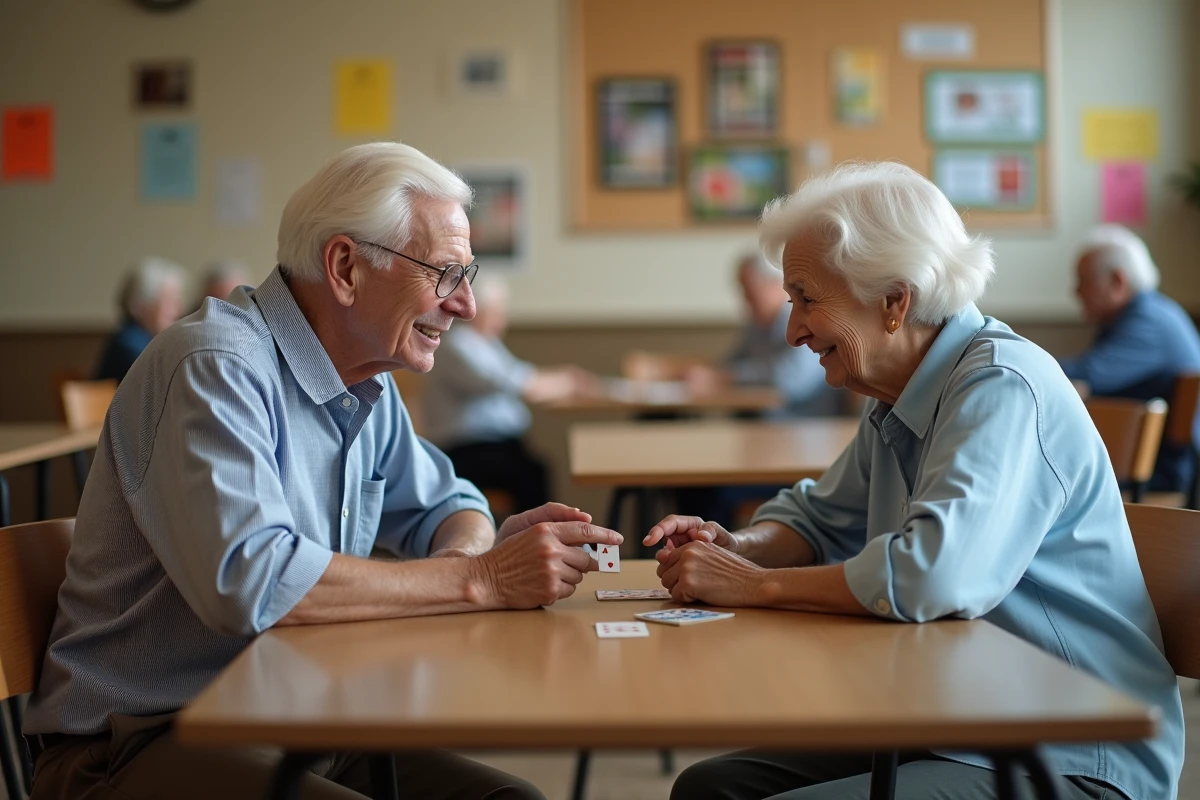
The pair works better than an open group for the most isolated seniors. A weekly appointment with one person creates a stronger mutual commitment than a collective activity where everyone can blend into the group without real interaction.
Platforms that offer only activities among seniors (and not intergenerational) start from a pragmatic observation: the rhythm, conversation topics, and health constraints are better understood among peers. This does not diminish the value of intergenerational bonds but addresses a different need.
- Walking in pairs allows for adjusting the pace without discomfort, unlike a mixed-age group
- Cultural outings for two facilitate exchanges during and after the event
- Shared DIY or gardening creates a concrete pretext for regular meetings
Solidarity among seniors and prevention of home isolation
The report from the Defender of Rights and the CNAV published in October 2024 documents the effects of social isolation on the health of elderly people. The sharing systems among seniors (peer support, solidarity neighborhoods, leisure pairs) act upstream, before isolation turns into lasting withdrawal.
The common point of these approaches lies in the regularity of contact rather than its nature. A weekly phone call from a peer can sometimes have more effect than a monthly visit from a professional, because it maintains a continuous thread in daily life.
Solidarity among seniors does not need to be spectacular to be effective. A shared coffee every Tuesday morning, assistance with filling out an online form, a regular walk in the neighborhood: these simple gestures, repeated by people who understand each other, form the strongest foundation against home isolation.