The reality is harsh: getting rid of a sofa or moving a large wardrobe doesn’t happen with a snap of the fingers, even with organizations as active as Secours populaire. In some cities, one must deal with long delays, wait in front of overwhelmed volunteers, or face the refusal of a perfectly good piece of furniture due to lack of space or logistics. From one branch to another, the criteria fluctuate: storage space, social urgency, the teams’ capacity to organize pickups.
Behind every donation, there is a structured process: checking the condition, precise sorting, possible repairs, or refusal based on the situation and current needs. What is recovered is not chosen at random: there is a desire to closely align with the realities on the ground. Before diving in, it’s better to contact the local drop-off point: this prevents many disappointments and setbacks.
Why donating your furniture has a real impact on the most vulnerable
Trusting a table, a dresser, or six chairs to an organization is not just about clearing space at home. By using furniture pickup by Secours populaire, we act where the need is concrete. Behind every delivery, there are families in distress, young adults taking flight without a penny to their name, or isolated retirees. For them, a sofa or a wardrobe changes everything: it’s a living space that gets organized, comfort regained, sometimes even a bit of dignity restored.
The gesture goes beyond helping one person. Donating your furniture is also about creating circular economy: instead of ending up in the dumpster, furniture is reused, curbing overconsumption, and reducing waste volume. Organizations repair, reuse, or sell at low prices, giving a second life to objects. The result: fewer new purchases, less ecological footprint, more social utility.
Choosing furniture pickup by Secours populaire is a direct action. The network sorts, sometimes restores, then distributes for free or resells to help finance other actions. Every wardrobe, table, or lamp that crosses the threshold of a local becomes one less resource for exclusion, one more support for solidarity. Let’s not forget: donating can entitle you to a tax reduction, provided you receive a tax receipt from the organization. This recognition amplifies the significance of the gesture and encourages continued giving.
Which organizations accept your furniture and items near you?
At the national level, several networks ensure the collection of furniture and useful items. Secours populaire plays a central role, but it is not alone on the ground. Note that only clean, good condition items without risks of use can be accepted. The drop-off solutions vary: community centers, neighborhood branches, welcome halls, or home pickups for oversized items or for people unable to move easily.
To better anticipate, here are some major players you can contact based on the nature of your donation:
- French Red Cross: it accepts furniture, appliances, dishes, clothing… and then redistributes or sells in its solidarity shops to support its social actions.
- Secours Catholique: the focus is on furniture, second-hand items, and supporting needy families through specifically adapted projects.
- Solidarauto: a network primarily focused on used cars, it facilitates access to mobility for those without any means of transportation.
- Resource centers and recycling centers: they collect, renovate, and sell furniture and items at low prices, allowing everyone to equip their home while reducing waste.
Thanks to this associative network, every donation quickly finds its place in a new project and avoids ending up in the landfill. The utility doubles as a real step towards ecological and social transition.
Practical tips: successfully making your solidarity donation with Secours populaire
Going through Secours populaire to donate your furniture or items requires a minimum of organization. The organization expects clean, safe, and ready-to-use items. First, examine your furniture: a wobbly table or a worn-out sofa may be rejected during sorting, just like any incomplete or broken item. It’s better to focus on the quality of the donation to facilitate collection.
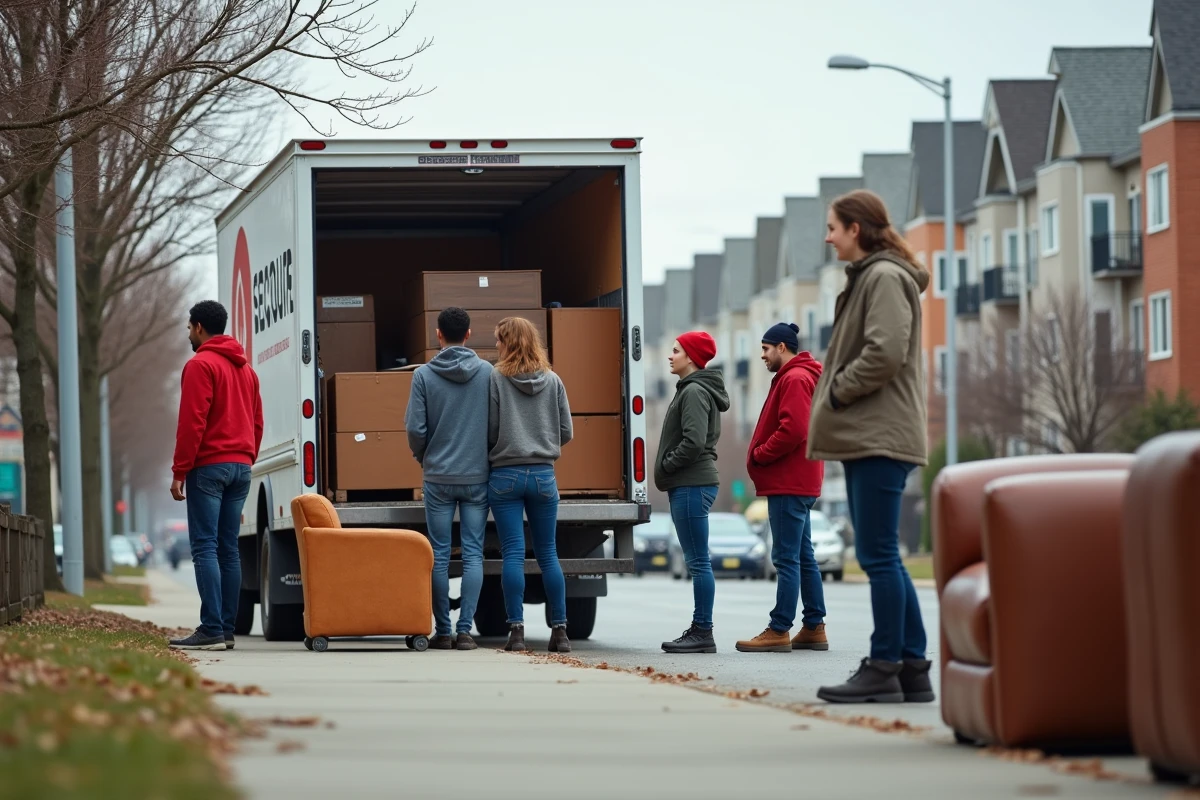
To plan the pickup or drop-off, contact the local branch. This direct approach allows for logistics adjustments, setting schedules, and anticipating access constraints. Major moving periods or annual cleaning times are often the most requested; planning ahead avoids waiting.
Writing a simple sheet for each piece of furniture, including size, condition, bulkiness, and ease of access, will be a real plus when the team has to organize transport. For bulky items, disassembling them beforehand and grouping accessories greatly simplifies things for both you and the volunteers.
Finally, when the donation is made through a recognized organization of public interest, requesting a tax receipt allows for a tax reduction based on the value donated. This proof can be obtained upon request at the collection point, during drop-off or home pickup.
In the end, every collected piece of furniture tells a story of solidarity: moving, sorting, sometimes refurbishing. The object reinvests a life, changes its setting, and continues to accompany the daily life of another. The next time a wardrobe or armchair leaves your living room, visualize the journey it has taken: from one home to another, the life of furniture never really stops.