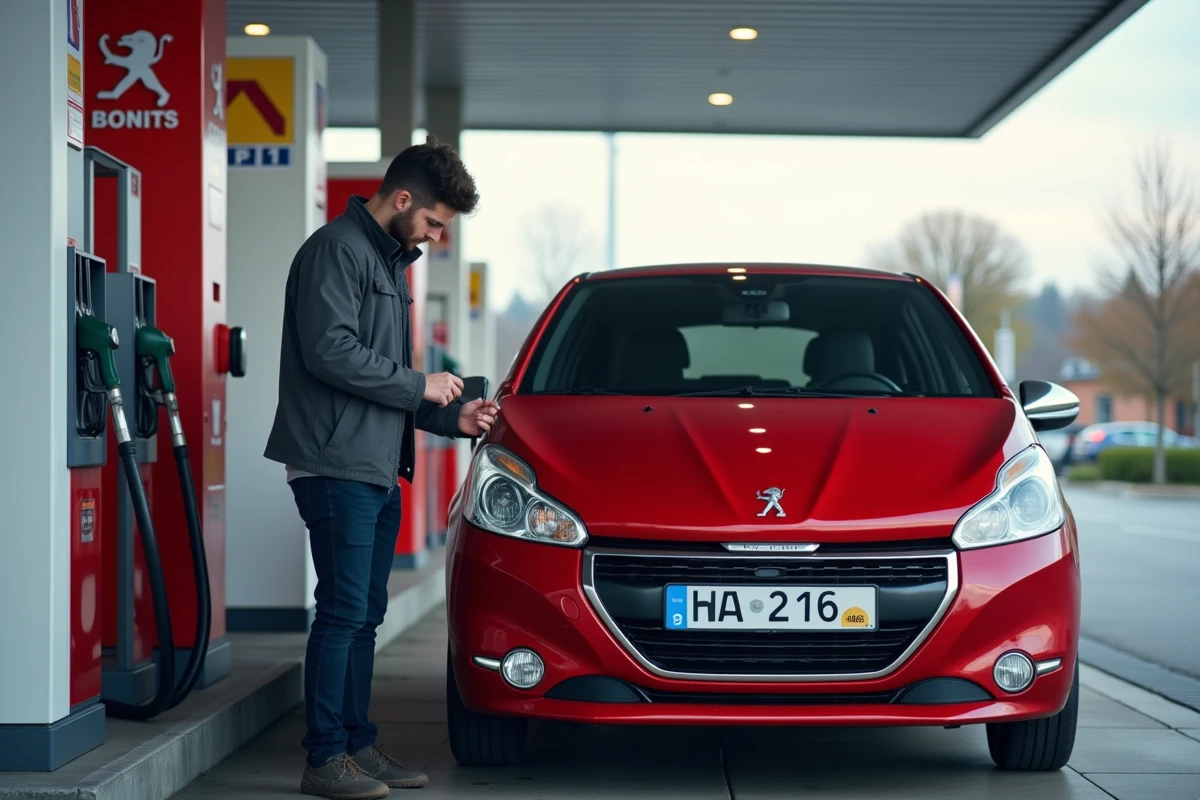
On the track or at the toll booth, the 1.6 THP engine of the Peugeot 208 GTI handles rapid pressure increases. The fuel you put in the tank directly influences how the turbo manages these load spikes. Between SP95 and SP98, the choice is not just a matter of price per liter: it’s the engine’s behavior under stress that changes.
Octane rating and THP turbo: what happens in the combustion chamber
The 1.6 THP engine that equips the 208 GTI is a turbocharged block designed to operate with a high compression ratio. The higher the octane rating of the fuel, the more resistant the air-fuel mixture is to auto-ignition before the spark plug triggers the spark.
With SP95 (octane rating 95), the engine control unit sometimes detects the onset of knocking, especially when the turbo is under full load. Its response is automatic: it reduces the ignition timing to protect the engine. The engine runs, but below its potential.
With SP98 (octane rating 98), this safety margin decreases. The control unit maintains a more aggressive ignition map, resulting in more complete combustion at high revs. For those who want to delve deeper into the question of peugeot 208 sp95 or sp98 on Annu Moteurs, the manufacturer’s recommendations are detailed there.
We are not talking about a naturally aspirated city car. The turbo amplifies thermal stresses in the combustion chamber, and this is where resistance to knocking becomes crucial.
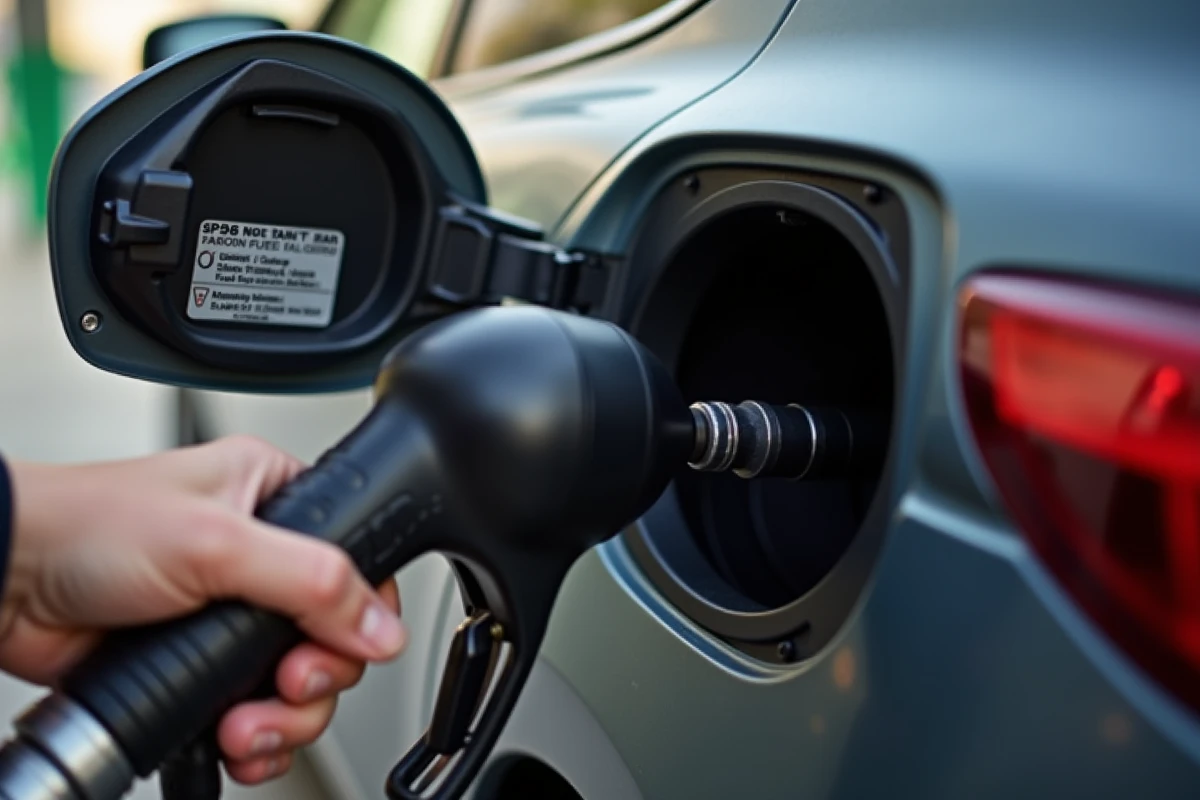
SP95-E10 in a 208 GTI: the trap of the cheapest pump
SP95-E10, which has become the most common fuel at stations, contains a higher ethanol content than regular SP95. This detail changes two concrete parameters for a sporty turbo engine.
- Ethanol has a lower calorific value than pure gasoline: at equal volume, the engine extracts slightly less energy from each injection, which can lead to increased consumption on journeys where the turbo is engaged.
- Ethanol is more corrosive to certain seals and hoses. On a THP block already known for its points of vigilance regarding the fuel system, this parameter is not trivial.
- The cooling effect of ethanol on the intake is real, but on an engine calibrated for regular gasoline, the control unit does not exploit this advantage as a dedicated flex-fuel map would.
SP95-E10 is compatible with the 208 GTI in the sense that the engine will not break. Feedback varies on this point, but several owners on specialized forums note a slight decrease in mid-range responsiveness compared to SP98.
Turbocompressor wear and fuel choice on the 208 GTI
The turbo of the 1.6 THP operates at high temperatures. Each episode of knocking, even brief and corrected by the control unit, generates abnormal pressure spikes that stress the turbocharger bearings and the cylinder head.
Consistently using SP98 reduces the frequency of these micro-corrections. On an engine used in dynamic driving (sharp accelerations, uphill recoveries, track driving), this difference accumulates over thousands of kilometers.
We are not talking about a spectacular gain on an oil change, but about a longevity factor. SP98 keeps the engine in a more stable operating zone, which limits repeated thermal stresses on the turbo and exhaust valves.
When SP95 remains an acceptable choice
If the car is primarily used in urban settings, with few revs beyond 4,000 rpm, regular SP95 is sufficient. The control unit manages corrections without putting the engine under real strain.
It’s regular sporty use that tips the balance towards SP98. An owner who pushes their 208 GTI every weekend on winding roads has every interest in favoring the higher octane rating.
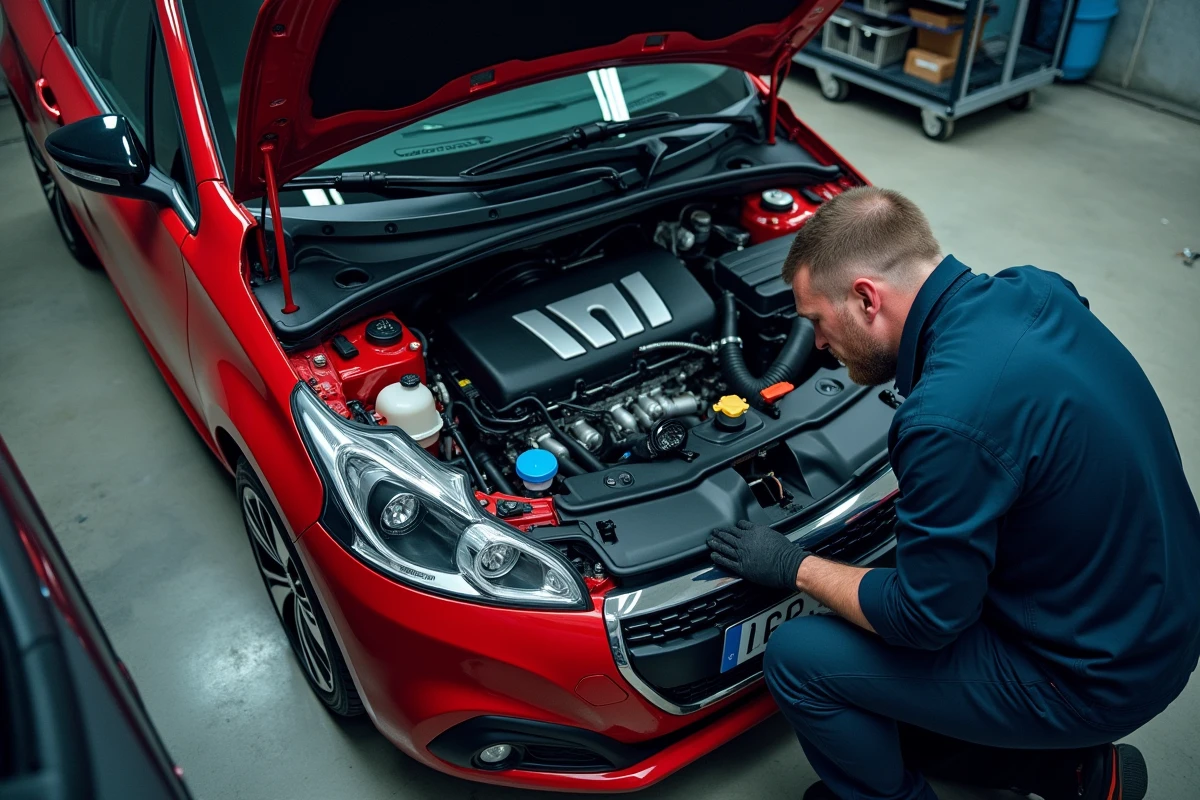
Actual fuel budget: comparing the cost per fill-up on a 208 GTI
The price difference between SP95 and SP98 varies by station, but there are generally a few cents per liter difference. On a 208 GTI tank, this represents a modest additional cost per fill-up.
This additional cost should be weighed against two concrete factors:
- More efficient combustion with SP98 can partially offset the price difference with slightly reduced consumption, especially on the highway at sustained speeds.
- A turbo engine better protected against knocking potentially means one less maintenance bill over the vehicle’s lifespan.
- SP95-E10, cheaper at the pump, can generate overconsumption that negates the apparent savings.
The real calculation is made over the year, not on a single fill-up. For a driver who covers a significant distance each year with dynamic driving, SP98 represents a coherent investment with the sporty positioning of the car.
Alternating SP95 and SP98: a common practice
Many 208 GTI owners alternate depending on availability at the station. This practice poses no mechanical problems. The control unit adjusts its parameters in real-time, regardless of the fuel present in the tank.
The most pragmatic approach is to favor SP98 when you know you will be demanding from the engine, and to accept SP95 for calm daily trips. The THP engine is designed to operate with both; the difference lies in the performance and protection margin you grant it.