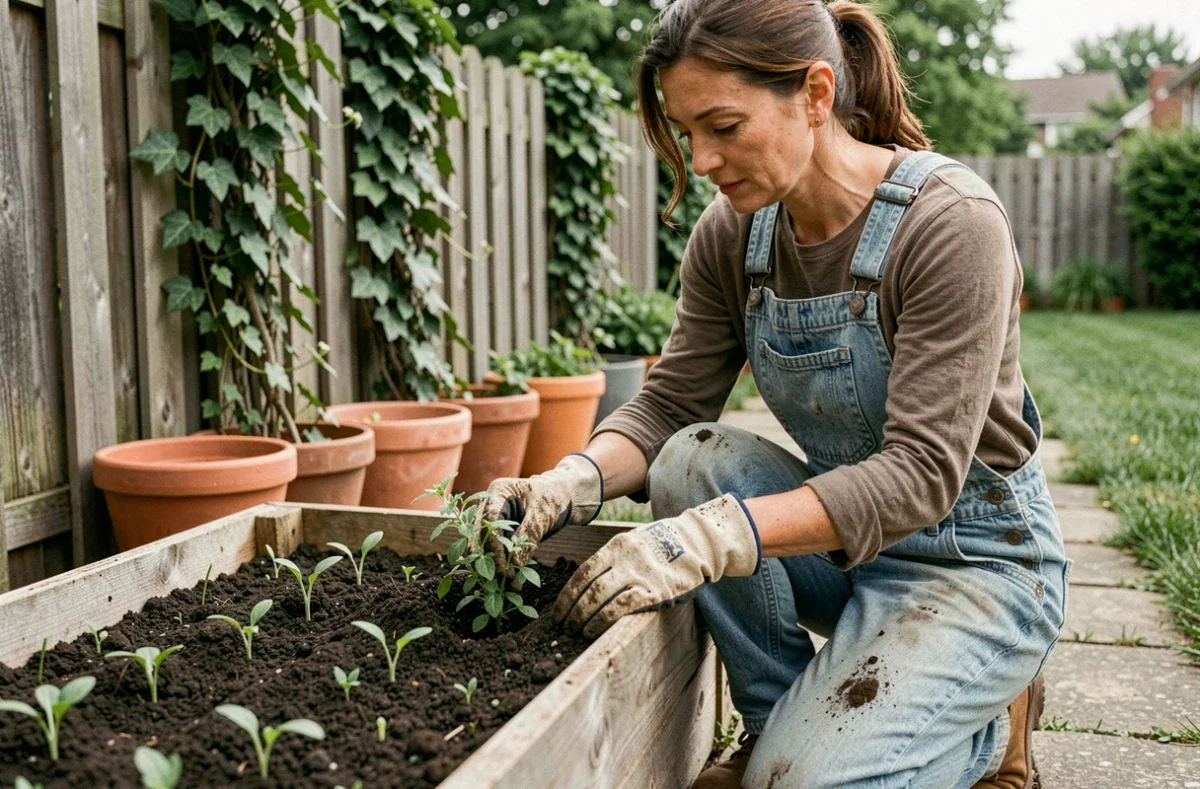
A garden that endures through the seasons without faltering relies less on a task calendar than on the correct understanding of its soil and microclimate. Before planning anything, we recommend characterizing the soil texture (clay, loam, sandy), its natural drainage, and the actual exposure of different areas.
Drought-resistant species, for example, often fail in heavy, poorly drained soil, as highlighted by the recommendations from Ademe relayed by Futura-Sciences.
Soil and Microclimate Diagnosis: The Prerequisite Ignored by Seasonal Guides
We regularly observe flowerbeds designed “by season” that wither because no one has checked the pH or water retention capacity of the substrate. A percolation test, which can be done in less than an hour with a 30 cm hole and a watering can, reveals whether your land drains water too quickly or stagnates dangerously.
On compact clay soil, deep digging is counterproductive: it creates a plow pan that worsens winter waterlogging. It is better to work on the surface with a broadfork and incorporate coarse organic matter (branch mulch, young compost) to improve the structure over several cycles.
Exposure is not limited to “full south” or “partial shade.” Map out late frost zones (bottom of slopes, proximity to north walls), prevailing wind corridors, and pockets of heat reflected by a wall or terrace. This data guides the choice of varieties much more finely than a simple USDA zone. On lemondedujardin.com, the plant sheets precisely cross-reference these criteria to guide selection.
Soil Restoration After Climate Stress: An Often Overlooked Angle
Rehydrating a dried-out soil requires a gradual method. After a heatwave, watering heavily all at once causes surface runoff without real penetration. We recommend split watering over several days, targeting cooler hours, to allow capillarity to rise.
Mulching plays a precise technical role here: applied to still slightly damp soil, it blocks evaporation and revives microbial activity. Applied to completely dry soil, it isolates the earth from rainwater and delays recovery. The timing of application is as important as the thickness.
Avoid digging after prolonged drought. The soil forms hard aggregates that, when turned, expose even drier deeper horizons. Favor superficial scratching followed by the addition of mature compost to revive biological life without breaking the remaining structure.
Organic Matter and Water Retention
The ability of soil to retain water directly depends on its organic matter content. An annual addition of compost or composted manure gradually improves this retention, reducing the frequency of watering over several seasons. The effect is not immediate but cumulative.
Plant Selection Adapted to Climate Change
The Ifop barometer for Unep from March 2025 indicates that 84% of French people have already changed their gardening habits in response to climate change or plan to do so. Among the cited practices: rainwater harvesting, choosing drought-resistant plants, and creating habitats for biodiversity.
Translating this intention into action requires going beyond the simple label “drought-resistant.” Here are the criteria we systematically cross-reference before any planting:
- The tolerance to winter cold of the area in question, not just to summer heat. A lavender survives drought but rots in wet winter on poorly drained soil.
- The root system: deep taproot species (tall fescue, holm oak) cope better with dry spells than shallow-rooted plants, even those labeled “xerophytes.”
- The compatibility with neighboring plants: some associations create beneficial shade or harmful root competition that alters water availability.
Structuring Trees and Shrubs for a Resilient Garden
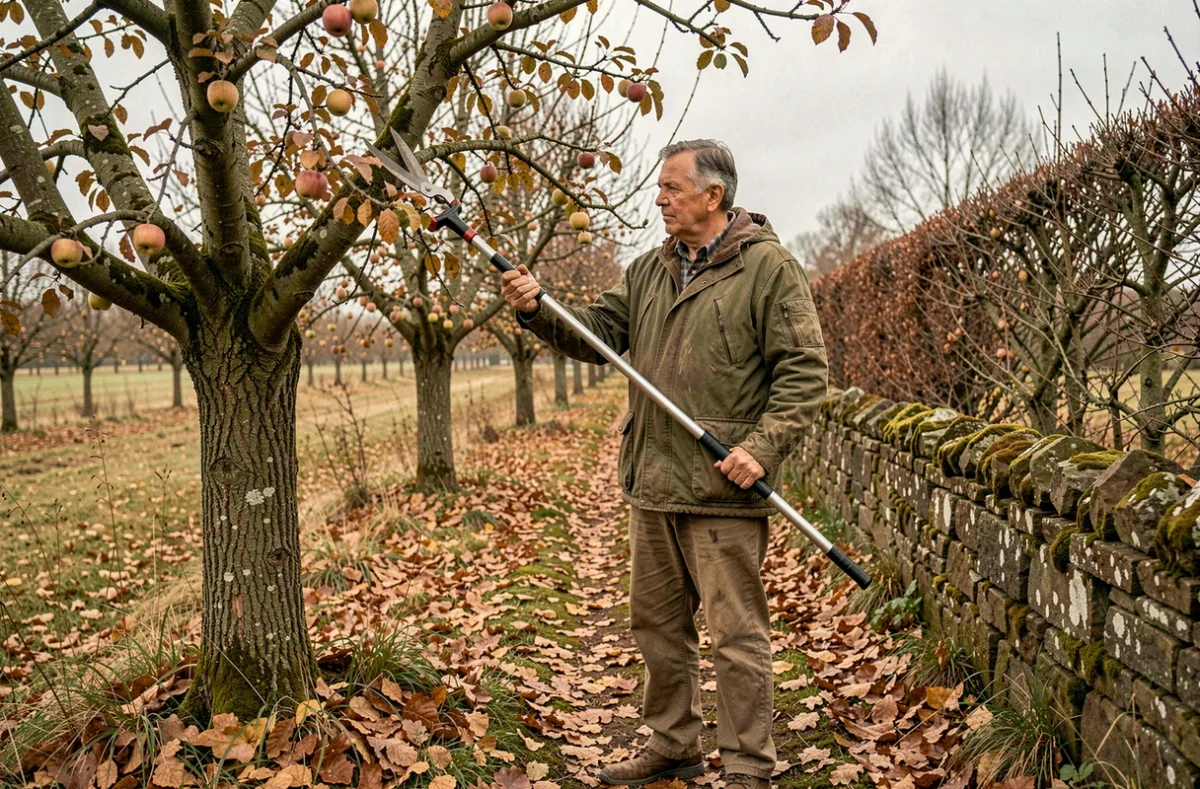
Well-chosen deciduous trees regulate ground temperature: dense shade in summer, filtered light in winter. The Judas tree, the hackberry, or the soap tree are among the species that tolerate both heat spikes and moderate frosts, provided they are planted in properly prepared soil.
Planting a structuring tree permanently alters the microclimate of the entire garden. A single well-placed specimen can lower the perceived temperature by several degrees under its canopy, protecting nearby perennials and the vegetable garden.
Ecological Garden Maintenance: Regulatory Framework and Concrete Alternatives
Any plant protection treatment in the garden must comply with the current legal framework. Effective alternatives rely on mechanical and biological methods:
- Thermal weeding (flame or steam) acts through thermal shock on weeds without chemical residue but requires multiple passes to exhaust perennials.
- Permanent mulching (wood chips, straw, dead leaves) limits the germination of unwanted plants while nourishing the soil.
- Green manures sown in between crops (phacelia, mustard, clover) cover the soil, fix nitrogen, and smother weeds between two growing seasons in the vegetable garden.
A permanently covered soil reduces weeding by more than half compared to bare soil. This is the most cost-effective measure in terms of time and effort throughout the year.
Rainwater Harvesting: A Quickly Amortized Investment
A rainwater collector connected to a downspout covers a significant portion of the watering needs of the vegetable garden and flowerbeds between April and September. The sizing depends on the collected roof area and storage volume: for regular use, aim for a tank of at least a few hundred liters, ideally buried to keep the water at a stable temperature.
Maintaining a garden year-round is not just about ticking off tasks month by month. The real transformation comes from understanding the soil, making plant choices consistent with the actual terrain, and managing water thoughtfully in advance. These three levers, combined, require less work in the long run than a garden maintained through constant corrective interventions.